
5 MIN READ
The Key Principles of Good Workflow in Modern Open-Plan Offices
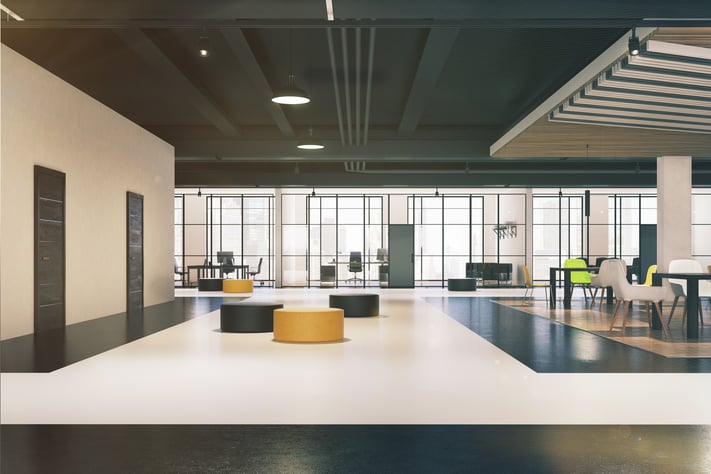
In today’s workplace, efficiency isn’t just about what we do, but also how we work. With open-plan offices, hybrid work, and digital collaboration tools, workflow has become a key concept for both efficiency and well-being. A well-designed office environment can be the difference between frustration and flow, and between stress and structure.
But what actually characterizes good workflow in the Norwegian workplace—and how can you facilitate it through smart office design and strategic planning of office interiors? Let’s take a deep dive into the topic and understand how BLDNG can help your business optimize both space and productivity.
What does workflow mean in the modern workplace?
Workflow is about how tasks, information, and people move through the workday. A good workflow allows employees to get their work done without unnecessary interruptions, disorganized processes, or poor communication.
This involves both digital and physical aspects: how teams collaborate online, how tasks are organized, and how the office is actually laid out. When the workflow functions smoothly, work feels intuitive and productive. When it doesn’t, misunderstandings and inefficiency arise.
This is where BLDNG comes in. Through data-driven solutions, BLDNG helps businesses understand how their spaces are actually used and provides insights that can improve both workflow and well-being. The platform combines sensor technology, analytics, and user data to create more flexible, sustainable, and people-friendly workplaces.
Office Interiors That Promote Flow and Efficiency
One of the most underrated elements for good workflow is the office interior itself. How an office is designed affects everything from concentration and creativity to health and job satisfaction. A well-planned office environment isn’t just about aesthetics—it’s also about function.
A modern office should offer flexible zones for different types of work:
- Focus zones for tasks requiring concentration
- Collaboration zones for meetings and brainstorming
- Social zones for casual conversation and relationship-building
With BLDNG, you gain insight into how these zones are actually used and can optimize space utilization based on real data. This gives you an office interior that supports your tasks and employees and contributes to a natural workflow.
Purpose-Driven Office Design
Good office design is more than just furnishing—it’s a strategy. It’s about creating an environment that supports how people actually work. Here are four key principles for a modern office environment, and how BLDNG helps you bring them to life:
-
Ergonomics and Movement
Height-adjustable desks, comfortable chairs, and accessible meeting spaces promote both health and energy. When employees can vary their working positions, fatigue is reduced, thereby increasing productivity.
With BLDNG, you get data on how office spaces are used, so you can plan ergonomic solutions that promote workflow and well-being.
-
Light, Air, and Well-Being
Natural light, ventilation, and elements such as green plants have a significant impact on both mood and cognitive performance. A good indoor climate is an essential part of effective office design and influences everything from error rates to creativity.
BLDNG provides insight into which parts of the office are used most, allowing you to tailor the environment for optimal comfort.
-
Acoustics and Quiet
Open-plan offices foster collaboration, but they also create noise. The use of sound-absorbing materials and quiet rooms is essential for achieving balance.
BLDNG helps you understand which zones are used most and when, so you can assess the need for adjustments and additional quiet areas.
-
Technology and Connectivity
A seamless digital infrastructure is essential for a smooth workflow. Wi-Fi, screen sharing, and video conferencing must work seamlessly.
- The myBLDNG app gives employees a real-time overview of available workspaces and meeting rooms. This makes it easier to find the right space for the right task.
How to Become More Efficient in Practice—Three Points
Many people think that efficiency is about doing more in less time. In reality, it’s often about working smarter, not harder. Here are three steps that improve both workflow and well-being—and how BLDNG can help you:
-
Clear guidelines for collaboration
Establish common rules for using email, chat, and meetings. Too many channels create confusion and disrupt the flow.
BL DNG provides insights into meeting room usage and collaboration patterns—so you can plan more effectively and avoid “ghost meetings.” Read more about ghost meetings here. -
Digital structure
Organize files and projects the same way for everyone. This reduces searching and misunderstandings.
BLDNG helps you see how the office is actually being used, so you can support the digital structure with the right use of physical space. Read more about our workplace analyses here. -
Personal Rhythm and Recovery
Good workflow requires energy. Varied work styles, breaks, and movement help employees perform better.
With data from BLDNG, you can design flexible zones that promote a balance between focus and collaboration.
In short: questions about efficiency aren’t just about working faster, but also about eliminating friction. When people, spaces, and technology work together = true flow.
An office environment for people—not just machines
In an era where work happens everywhere—at home, in the office, and digitally—it’s crucial to create an office environment that provides space for both focus and flexibility. The type of design that makes people feel inspired, safe, and productive will ultimately be the best.
BLDNG combines technology, insight, and human understanding. By measuring actual office usage and analyzing what fosters well-being and efficiency, BLDNG helps you make smarter decisions. The result is an office interior and a workflow that work for people, not just machines.
The Essence
The most important principles for workflow in modern office environments can be summed up in three words: structure, flexibility, and humanity.
A thoughtful approach to office interiors, office design, and digital tools makes it possible to create an environment where work flows naturally and where employees thrive and perform at their best.
Read about how BLDNG helped Bane NOR save millions through the implementation of sensors in their facilities and BLDNG’s thorough space analyses.
Would you like to know how you can become more efficient while creating an office environment where well-being and productivity go hand in hand?
Get in touch with us! - we’ll help you with insights, planning, and solutions that give your office real momentum.